
 See Our Latest Article on HelloNation
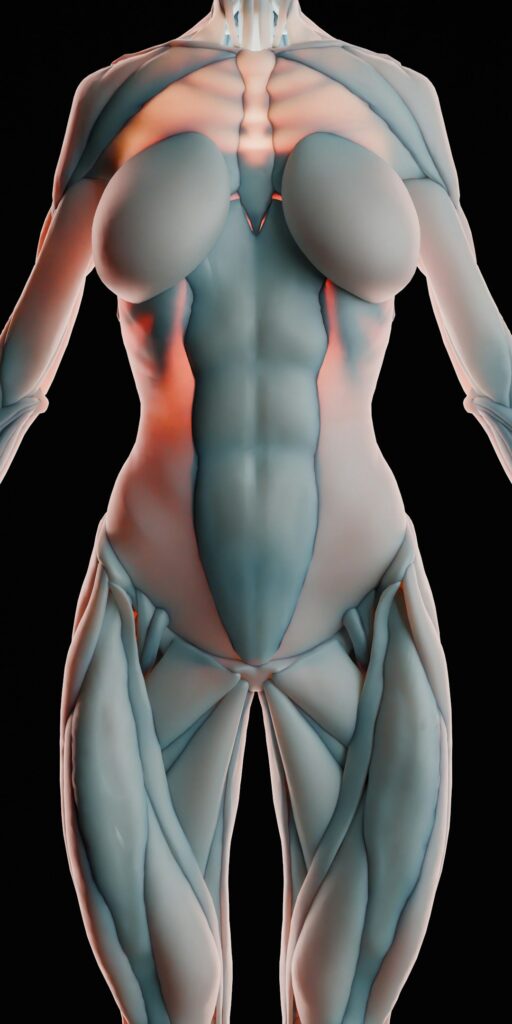
Back pain is one of the most common complaints I hear from patients at my practice in Aurora, NY. Whether you’ve been hiking around Cayuga Lake, tending to your garden, or simply shoveling after a winter snowstorm, back discomfort can interrupt your daily routine. If you’re wondering whether you should reach for an ice pack or a heating pad, you’re not alone. Let’s clarify the differences so you can find relief and return to enjoying all that beautiful Aurora has to offer.
Understanding the Source of Your Back Pain
First, it’s important to identify the root cause of your back pain. Is it acute—caused by a sudden injury or overexertion while stacking firewood? Or is it a chronic ache that’s been nagging you, possibly made worse by long hours at a desk or repeated activity? Knowing whether your discomfort is recent or longstanding can help determine the most effective treatment.
- Acute injuries often include sprains, strains, or inflammation from sudden movements and physical activities common in our active Upstate New York lifestyle.
- Chronic pain can develop gradually due to posture issues, repetitive stress, or underlying conditions like arthritis, which may flare up with chilly winter weather in the Finger Lakes region.
When to Use Ice for Back Pain
Ice is your go-to solution for immediate, acute back injuries. If you twist your back while moving furniture or feel a sharp pain after a weekend pickup basketball game at the local community center, cold therapy can help.
Benefits of Ice for Back Pain
- Reduces swelling: Cold restricts blood vessels, limiting inflammation and swelling in the injured area.
- Numbs pain: The cold can provide a numbing effect, helping manage that initial soreness.
- Prevents further damage: Applying ice soon after injury can minimize tissue damage by slowing cellular processes.
How to Use Ice Safely
- Apply an ice pack wrapped in a thin towel for 15-20 minutes at a time.
- Wait at least one hour between sessions.
- Avoid placing ice directly on bare skin to prevent frostbite.
Using ice is especially helpful within the first 24 to 48 hours after an acute injury. Suppose you slip while walking on icy Main Street during an Aurora winter. In that case, immediate icing can help control inflammation and keep you on your feet.
When Heat Is the Better Choice
After the initial swelling from an injury subsides—or if you’re dealing with ongoing, chronic back pain—heat may provide more comfort. The warmth helps relax stiff muscles, improve circulation, and ease soreness.
Benefits of Heat for Back Pain
- Relaxes muscles: Heat soothes tension, making it ideal for aching muscles after a long day working on your home or farm.
- Enhances blood flow: Increased circulation means more nutrients and oxygen reach sore tissues, promoting healing.
- Reduces stiffness: Damp Aurora mornings or long drives to Ithaca can leave your back feeling tight—heat therapy can help restore flexibility.
How to Use Heat Safely
- Use a heating pad on a low or medium setting, or try a warm towel or hot water bottle.
- Apply for 15-20 minutes at a time.
- Never fall asleep with a heating device on your body.
- Avoid heat on fresh injuries where swelling is present.
Heat therapy is particularly comforting during our cold Upstate New York winters. Sitting by the fireplace with a warm pack can ease those persistent aches caused by weather changes.
Local Considerations: Aurora’s Lifestyle and Back Pain
Living in Aurora, NY, comes with its own sources of back pain:
- Outdoor activities: Hiking, boating, and gardening can lead to acute strains.
- Winters: Snow shoveling and icy walks increase the risk of slips and sprains.
- Agricultural work: Farm chores involve repetitive bending and lifting.
- Travel and commutes: Trips to neighboring towns can mean long periods of sitting, contributing to stiffness.

It’s important to listen to your body. If your back pain is new and accompanied by swelling or bruising, start with ice. If you have a dull ache or muscle tightness after a day working outside or exploring Aurora’s trails, gentle heat might be more effective.
When to Avoid Both Ice and Heat
While both therapies have their place, sometimes neither is appropriate. Seek professional advice if you:
- Suspect a more serious injury (severe pain, numbness, inability to move).
- Notice unexplained swelling, fever, or redness.
- Experience pain that radiates down your leg or causes weakness.
If pain persists beyond a few days or interferes with daily life, it’s a good idea to schedule an appointment for a chiropractic evaluation.
Frequently Asked Questions
Should I alternate between ice and heat?
In some cases, alternating therapies (contrast therapy) can help, particularly for chronic pain with occasional flare-ups. Always start with ice for the first 48 hours after an acute injury, then try to introduce heat as swelling subsides.
Can I use heat for lower back pain caused by shoveling snow?
Yes—if your pain is primarily from muscle stiffness without active swelling, heat can help. But if there’s noticeable swelling or you’ve just sustained the injury, stick with ice at first.
How can I prevent back pain in Aurora’s climate?
- Warm up before heavy activity, especially in winter.
- Practice safe lifting techniques.
- Stay active all year to keep muscles strong.
- Seek professional guidance if you have recurring back discomfort.
Final Thoughts
Choosing between ice and heat for back pain depends on your specific situation. Ice is best for immediate injuries and swelling, while heat is useful for chronic pain and muscle tightness. Residents of Aurora, NY—accustomed to active, often outdoor lifestyles—should tailor their approach based on when and how their pain began. If you have doubts or your pain persists, reach out to a trusted healthcare professional for personalized advice.
Stay well and enjoy everything our wonderful town has to offer—pain free!
