
 See Our Latest Article on HelloNation

What is a chiropractic wellness plan?
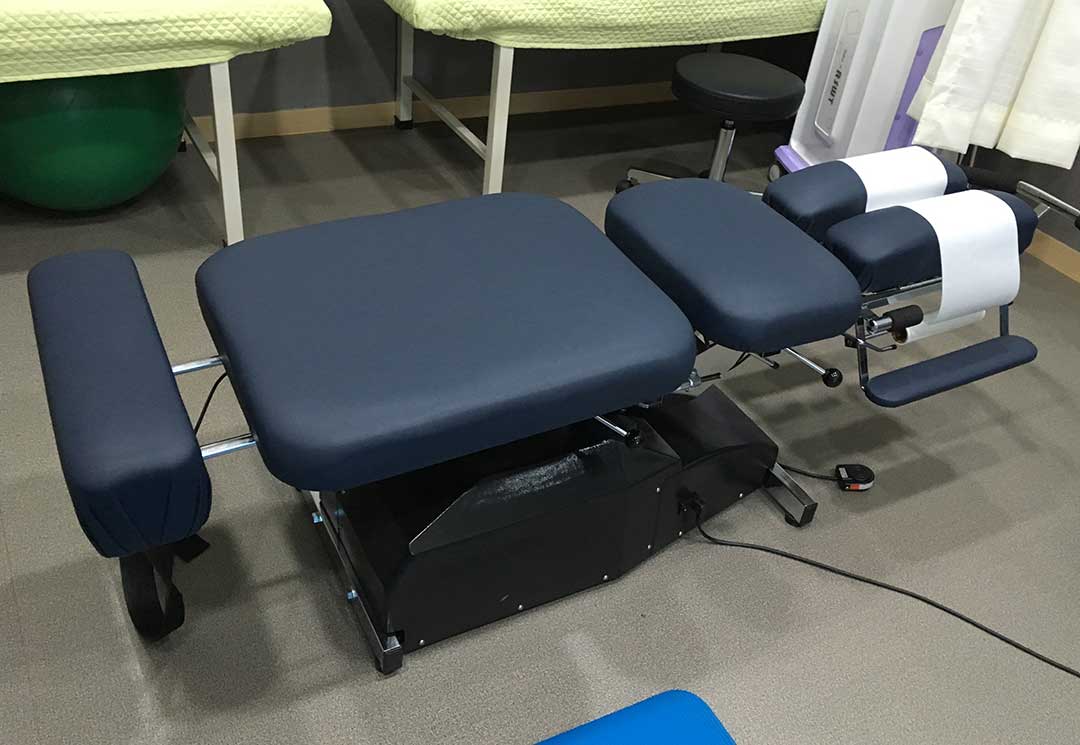
A chiropractic wellness plan is an ongoing approach to spinal and musculoskeletal care rather than treatment limited to a single episode of pain. It may include periodic evaluations, targeted spinal or joint adjustments, mobility work, exercise guidance, posture education, and recommendations for daily habits that support physical function.
The purpose is usually to help a person maintain movement and manage recurring physical stressors. A wellness plan should be based on individual needs, not a fixed schedule applied to everyone. The appropriate frequency depends on factors such as symptoms, work demands, activity level, age, previous injuries, general health, and response to care.
Chiropractic care most often focuses on the spine, joints, muscles, and related movement patterns. It is not a replacement for medical diagnosis or treatment of serious illness. A responsible plan includes clear goals, periodic reassessment, and referral for medical evaluation when symptoms fall outside the scope of routine musculoskeletal care.
What long-term benefits may be realistic?
The most realistic long-term benefits involve movement, symptom management, and greater awareness of how daily habits affect the body. Chiropractic care may be useful for some people with recurring low back pain, neck discomfort, certain headaches related to the neck, or reduced joint mobility.
Possible benefits include:
- Better day-to-day mobility
- Reduced frequency or intensity of recurring discomfort
- Improved tolerance for work, household tasks, or recreational activity
- Greater awareness of posture, lifting habits, and movement patterns
- A structured approach to maintaining flexibility and strength
- Earlier recognition of changes that may require a different type of care
These benefits are not guaranteed, and chiropractic adjustments are not known to prevent every future injury or eliminate all pain. Long-term improvement is more likely when spinal care is combined with appropriate strengthening, walking or other physical activity, sleep support, and practical changes to repetitive routines.
For example, a person who regularly lifts children, works at a computer, gardens, drives long distances, or performs seasonal outdoor tasks may benefit more from learning movement strategies than from passive treatment alone.
Can regular care prevent back pain or injury?
Regular chiropractic care may help some people manage recurring symptoms, but prevention claims should be stated carefully. There is no wellness schedule that can guarantee a person will avoid back pain, arthritis, falls, or sports injuries.
A more reasonable goal is reducing avoidable strain and responding early to changes in function. Periodic care may help identify limited mobility, uneven movement, or habits that contribute to repeated irritation. Exercise and conditioning generally play a central role in injury prevention, particularly for the muscles supporting the spine, hips, shoulders, and knees.
Preventive habits may include:
- Building strength gradually rather than making sudden increases in activity
- Warming up before demanding physical work
- Alternating positions during long periods of sitting or standing
- Using safe lifting mechanics and asking for help with heavy or awkward objects
- Keeping walking, balance, and flexibility exercises in a regular routine
- Allowing adequate recovery after strenuous activity
In Aurora, seasonal routines can affect musculoskeletal health. Snow and ice may increase the risk of slips, while spring yard work, summer recreation, and autumn property maintenance can lead to sudden increases in bending, lifting, or twisting. Preparing the body before these activities is often more useful than waiting until severe soreness develops.
Why does consistency matter?
Consistency allows progress to be measured over time. A single adjustment may provide temporary relief, but long-term wellness depends on whether movement, strength, and daily function improve between visits.
A useful plan should answer practical questions:
- What problem is being addressed?
- What changes should be noticed?
- How will progress be measured?
- What exercises or habits support the treatment?
- When should the plan be modified or stopped?
Progress may appear as easier movement, fewer interruptions during sleep, improved tolerance for walking, or the ability to complete household tasks with less discomfort. Pain scores can be helpful, but they are only one measure. Function and quality of life also matter.
If symptoms remain unchanged, worsen, or return immediately after each visit, the plan should be reassessed. Continuing the same approach indefinitely without reviewing its results is not a sound wellness strategy.
Is maintenance care appropriate for everyone?
No. Ongoing chiropractic care may be reasonable for some adults who have recurring musculoskeletal symptoms and find that care supports function. Others may need a different approach, including exercise-based rehabilitation, medication management, imaging, specialist evaluation, or treatment for an underlying medical condition.
Extra caution is appropriate for people with conditions affecting bone strength, blood clotting, the nervous system, or spinal stability. A complete health history should include prior surgeries, fractures, osteoporosis, inflammatory disease, cancer history, significant trauma, and current medications.
Children, older adults, pregnant people, and individuals with complex health conditions may require modified assessment and care. The question is not whether routine care is universally good or bad; it is whether the expected benefit is appropriate for the person’s condition and goals.
What symptoms require medical evaluation first?
Certain symptoms should not be managed as routine soreness. Prompt medical evaluation is appropriate for back or neck pain accompanied by:
- New loss of strength or coordination
- Numbness that is spreading or severe
- Loss of bladder or bowel control
- Fever, unexplained weight loss, or significant illness
- Major trauma, such as a fall or vehicle collision
- Severe pain that is constant or rapidly worsening
- Unexplained pain in a person with a history of cancer
- New symptoms in someone with serious osteoporosis or immune suppression
Chest pain, difficulty breathing, sudden severe headache, facial drooping, or other signs of an emergency require immediate emergency care rather than a wellness visit.
These warning signs do not automatically indicate a serious diagnosis, but they should be evaluated before routine musculoskeletal treatment is considered.
How can residents evaluate whether a plan is helping?
The clearest test is functional improvement over a reasonable period. Keep track of activities that matter personally, such as sleeping, walking, sitting through a workday, carrying groceries, gardening, or participating in recreation.
A simple record can include:
- Symptom intensity and duration
- Activities that trigger discomfort
- How long relief lasts
- Changes in movement or strength
- Exercise or home-care consistency
- New or worsening symptoms
A plan that supports lasting improvements in function may have value even if occasional discomfort remains. Conversely, repeated short-term relief without better movement or daily capacity may suggest that the approach needs adjustment.
Long-term chiropractic wellness is best understood as one part of a broader health routine. Its potential value comes from individualized assessment, reasonable expectations, active participation, and regular review—not from a predetermined number of visits or the assumption that every person needs continuing care.
