
 See Our Latest Article on HelloNation
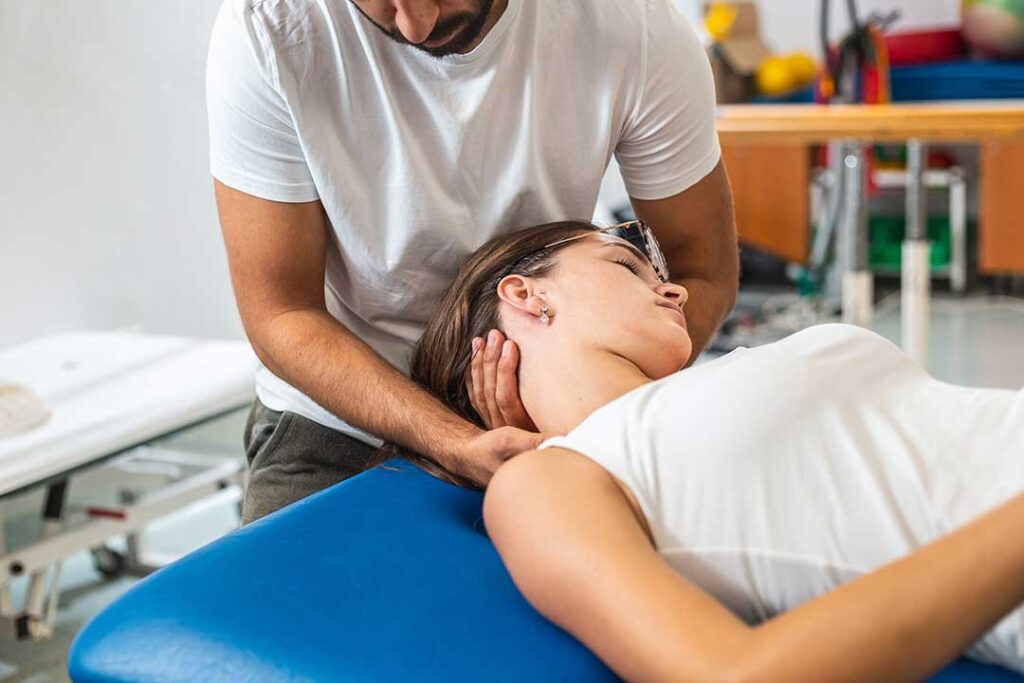
Why does pregnancy cause back pain?
Back pain is common during pregnancy because the body’s center of gravity shifts as the uterus grows, abdominal muscles stretch, and pregnancy hormones loosen ligaments around the pelvis. These changes can increase strain on the lower back, hips, and sacroiliac joints. ([mayoclinic.org](https://www.mayoclinic.org/healthy-lifestyle/pregnancy-week-by-week/in-depth/pregnancy/art-20046080?utm_source=openai))
Pain may feel like a dull ache, stiffness, pressure across the low back, or discomfort that travels into the buttocks. It often becomes more noticeable after standing, walking, lifting, sitting for long periods, or sleeping in one position.
Most pregnancy-related back pain is not dangerous, but severe, sudden, persistent, or unusual pain should not be assumed to be routine.
What can provide relief at home?
Gentle movement, better support, and short periods of heat or cold are generally safer first steps than prolonged bed rest.
Try the following:
- Change positions often. Avoid sitting or standing in one position for long stretches. A brief walk around the house, a few gentle hip movements, or a supported rest may reduce stiffness.
- Improve sitting support. Use a chair with back support or place a small pillow behind the lower back. Keep both feet supported when possible.
- Use heat carefully. A warm—not hot—heating pad or wrapped warm water bottle may relax sore muscles. Use the lowest comfortable setting for a short period, and avoid falling asleep with a heating pad.
- Try cold for a flare-up. A wrapped cold pack may help after activity when the area feels irritated or swollen. Protect the skin and limit each application.
- Rest on your side. Pillows between the knees, under the abdomen, or behind the back can make side-lying more comfortable. Avoid remaining flat on the back for extended periods later in pregnancy.
- Wear stable footwear. Supportive shoes can make walking and standing easier. This can be especially useful during icy or snowy conditions in Aurora, when an unstable step can increase the risk of falling.
A warm bath may also ease muscle tension, but avoid water hot enough to cause overheating, dizziness, or a rapid heartbeat. Hot tubs and saunas are not appropriate substitutes for mild, controlled warmth during pregnancy.
Is exercise safe with pregnancy-related back pain?
For many people with uncomplicated pregnancies, gentle physical activity is safe and may reduce back discomfort. Walking, swimming, water exercise, and pregnancy-adapted stretching can help maintain strength without placing excessive load on the spine. ACOG recommends adjusting exercise intensity to the individual pregnancy and stopping if warning symptoms occur. ([acog.org](https://www.acog.org/clinical/clinical-guidance/committee-opinion/articles/2020/04/physical-activity-and-exercise-during-pregnancy-and-the-postpartum-period?utm_source=openai))
One commonly used movement is a gentle hands-and-knees back exercise:
1. Position the hands beneath the shoulders and the knees beneath the hips.
2. Keep the neck relaxed and the back in a comfortable neutral position.
3. Gently draw in the abdominal muscles and round the back slightly.
4. Hold for a few seconds, then return to neutral without forcing the lower back downward.
5. Repeat slowly, stopping if the movement causes pain, dizziness, abdominal discomfort, or pressure.
The goal is controlled movement, not a deep stretch. Avoid bouncing, forceful twisting, or trying to “push through” sharp pain. Anyone who was inactive before pregnancy should begin gradually and discuss a new exercise routine with the prenatal care team.
How can lifting and household tasks be made safer?
Pregnancy can make ordinary tasks—carrying laundry, shoveling, reaching into low cabinets, or lifting a child—more demanding. Safer lifting reduces unnecessary strain:
- Bend at the knees and hips rather than folding at the waist.
- Keep the object close to the body.
- Rise using the legs instead of pulling with the lower back.
- Turn by moving the feet rather than twisting the spine.
- Divide heavy loads into smaller amounts.
- Avoid lifting objects that feel unstable, awkward, or too heavy.
During winter, clearing snow or walking over uneven, slippery ground can add fall and strain risks. If a task requires forceful pushing, pulling, balancing, or heavy lifting, it is reasonable to postpone it or ask for assistance.
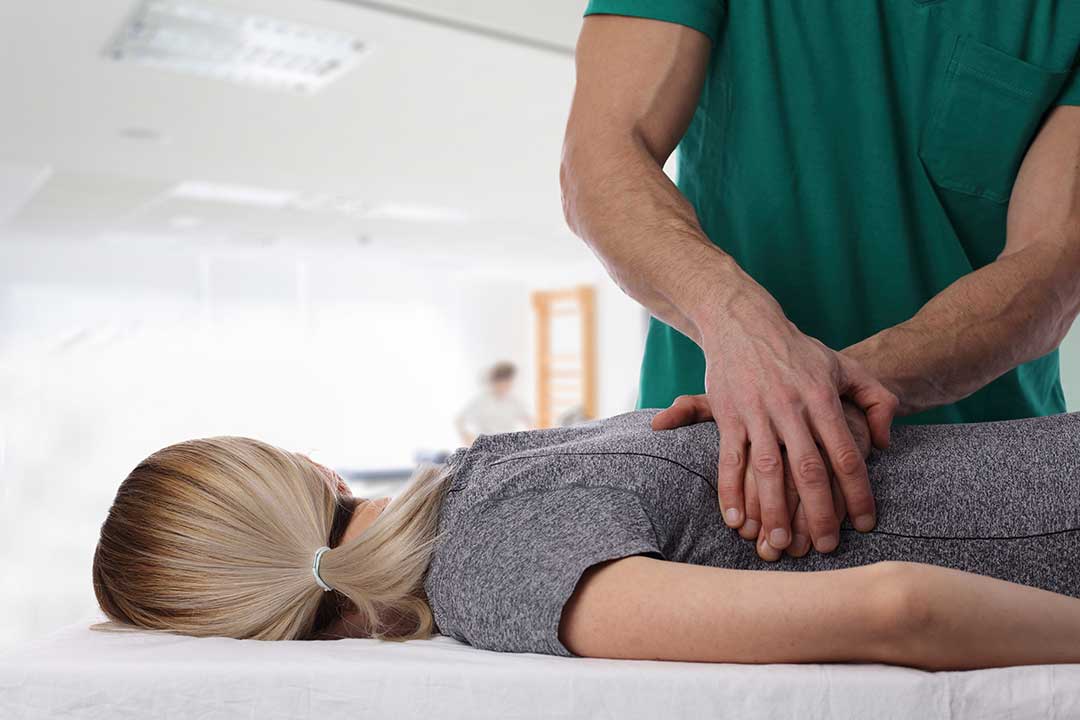
Can a chiropractor help during pregnancy?
Some pregnant people consider chiropractic care, massage, or physical therapy for back or pelvic discomfort. These approaches should be discussed with the prenatal healthcare professional first, particularly if the pregnancy is considered high risk, pain is severe, or symptoms include contractions, bleeding, or neurologic changes.
If chiropractic care is being considered, the practitioner should know about the pregnancy, the stage of pregnancy, medications, prior injuries, and any complications. Care should be adapted to avoid forceful techniques, uncomfortable positioning, and unnecessary pressure on the abdomen. Evidence for complementary treatments varies, so treatment should complement—not replace—prenatal evaluation. Mayo Clinic notes that some studies suggest chiropractic treatment may help, while also advising consultation with the pregnancy care team. ([mayoclinic.org](https://www.mayoclinic.org/healthy-lifestyle/pregnancy-week-by-week/in-depth/pregnancy/art-20046080?utm_source=openai))
A physical therapist with experience in pregnancy-related conditions may also teach individualized exercises for posture, pelvic support, movement, and daily activities.
Which pain medicines are safe?
Do not assume that an over-the-counter medicine is safe simply because it is easy to obtain. ACOG states that acetaminophen may be used during pregnancy when recommended appropriately, at the lowest effective dose and for the shortest necessary duration, after discussion with an obstetric clinician. ([acog.org](https://www.acog.org/womens-health/faqs/acetaminophen-and-pregnancy?utm_source=openai))
Avoid starting ibuprofen, naproxen, aspirin, muscle relaxants, herbal products, or topical pain medicines without specific medical guidance. Some medicines are unsuitable during certain stages of pregnancy or with particular health conditions. Check combination cold, flu, and sleep products as well, since they may contain pain relievers or other ingredients.
When is back pain during pregnancy an urgent concern?
Contact the prenatal healthcare team promptly for back pain accompanied by:
- Vaginal bleeding or fluid leakage
- Fever or chills
- Burning or pain with urination
- Pain in the side or upper back
- Regular cramps or contractions
- New, severe, or rapidly worsening pain
- Pain after a fall or other injury
Seek emergency care for new loss of feeling or strength in the legs, buttocks, or genital area, or for difficulty controlling urination or bowel movements. Back pain in the second or third trimester can sometimes be associated with early labor, while fever and urinary symptoms may indicate infection. ([mayoclinic.org](https://www.mayoclinic.org/healthy-lifestyle/pregnancy-week-by-week/in-depth/pregnancy/art-20046080?utm_source=openai))
Pain that continues for more than roughly two weeks, interferes with sleep or walking, or repeatedly returns despite basic measures also deserves a clinical assessment. Pregnancy-related discomfort is common, but it should not prevent someone from receiving appropriate evaluation when the pattern changes.
