
 See Our Latest Article on HelloNation
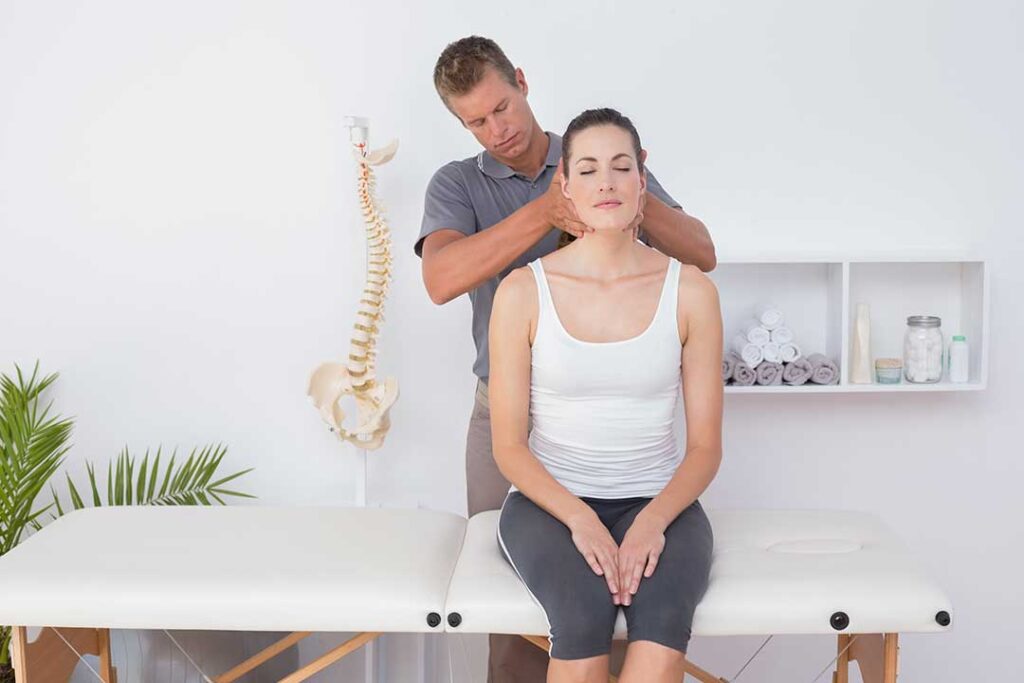
Foot pain is not always caused by the foot alone. The feet form the base of the body, and changes in foot movement can influence the ankles, knees, hips, pelvis, and spine. In the opposite direction, restricted motion or altered alignment in the spine and pelvis may change how weight travels down through the legs and contribute to discomfort in the feet.
For residents of Aurora, NY, this connection can become more noticeable during seasonal activities, long periods of standing, home maintenance, walking on uneven ground, or extended time in unsupportive footwear. Understanding the relationship does not mean every foot problem comes from the spine. It does mean that symptoms sometimes make more sense when the entire movement pattern is considered.
How can spinal alignment affect foot pain?
Spinal alignment can affect foot symptoms by changing posture, balance, muscle activity, and the way weight is distributed through the legs. If the pelvis rotates or the lower back becomes unusually stiff, the body may compensate by shifting weight to one side or changing the angle of the hips, knees, and ankles.
These changes can increase stress on structures such as:
- The plantar fascia along the bottom of the foot
- The Achilles tendon
- The arches and small stabilizing muscles of the foot
- The ankle joints
- The knees and hips
- Nerves traveling from the lower back into the leg
A person may then feel heel pain, arch discomfort, aching in the ball of the foot, or fatigue on one side. The spine may not be the original source, but its movement can influence how the foot is loaded.
Can foot problems cause back pain?
Yes. Foot mechanics can contribute to back pain, particularly when the feet repeatedly roll inward or outward, lack adequate mobility, or do not absorb impact evenly.
For example, excessive inward rolling of the foot may cause the lower leg and knee to rotate inward. That rotation can affect the thigh, pelvis, and lower back. A rigid foot or limited ankle movement may produce a different compensation, such as shorter steps, increased pressure on the outside of the foot, or greater motion through the lower back.
These effects usually develop gradually rather than from a single step. A person may first notice tired feet, then knee or hip tension, and later soreness in the lower back after walking or standing.
Foot mechanics are only one possible contributor. Work demands, muscle weakness, previous injuries, body weight, sleep position, and training habits can also influence back symptoms.
What does nerve-related foot pain feel like?
Pain that originates from the lower back or another part of the nervous system often has a different quality from local foot pain. Nerve-related symptoms may include:
- Burning, tingling, or electric sensations
- Numbness in the foot or toes
- Pain that travels from the back or buttock into the leg
- Weakness when lifting the foot or pushing off
- Symptoms that change with sitting, bending, coughing, or prolonged standing
Local foot conditions more often produce tenderness in a specific area, pain with direct pressure, or discomfort during the first steps after rest. However, symptoms can overlap. A person can have both a foot condition and irritation of a nerve from the lower back.
Sudden weakness, loss of bladder or bowel control, numbness in the groin area, or rapidly worsening symptoms require urgent medical evaluation.
Why do walking surfaces and seasonal conditions matter?
The body responds to the surfaces it moves across. Uneven ground, frozen or wet pavement, sloped driveways, and slippery outdoor paths can change stride length and foot placement. People may tense their legs, shorten their steps, or shift weight away from a painful area without realizing it.
During colder months, heavier footwear can also alter ankle movement and walking mechanics. Boots that are stiff, worn unevenly, or poorly matched to the foot may increase strain through the calves, feet, and lower back. Indoor routines can contribute as well. Long periods of standing on hard flooring during household tasks may aggravate foot pain, especially when combined with limited ankle mobility or weak foot muscles.
The issue is not that a particular surface automatically causes misalignment. Rather, repeated changes in movement can expose an existing weakness, restriction, or injury.
How can someone tell whether pain is coming from the foot or the spine?
The location and behavior of the symptoms provide useful clues, although they cannot replace an examination.
Foot-related pain is more likely when:
- Tenderness is concentrated under the heel, along the arch, or near a joint
- Pain is reproduced by pressing on a specific area
- Symptoms are strongest with the first steps after sitting or sleeping
- The foot is swollen, bruised, or visibly irritated
- Changing footwear or reducing activity changes the symptoms
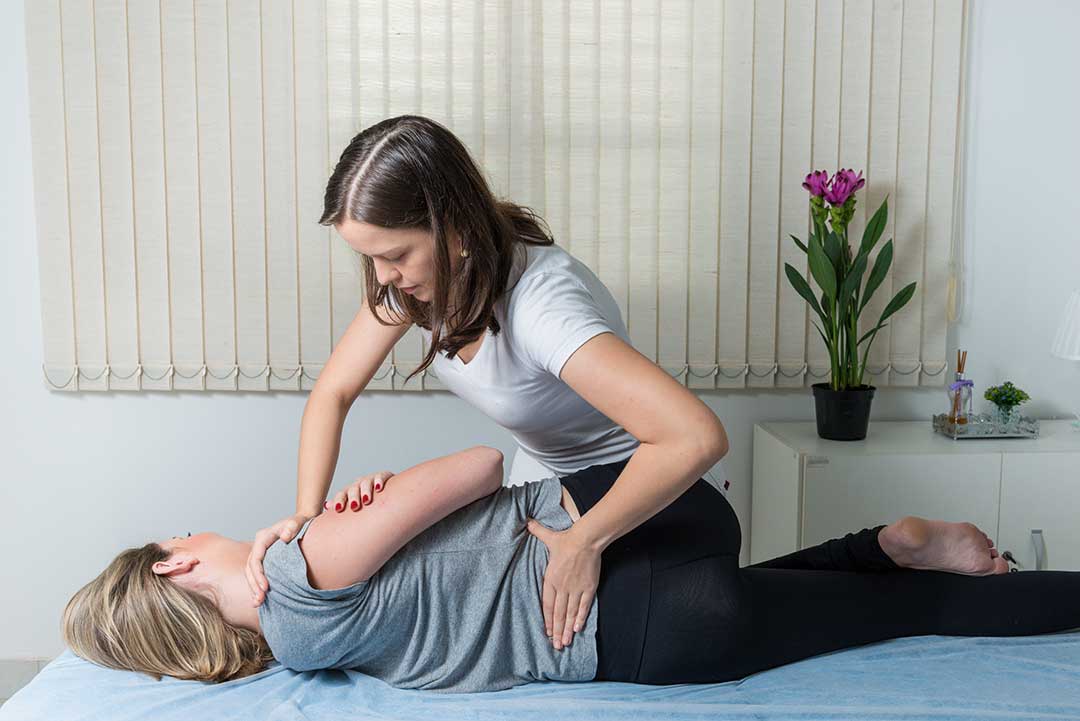
A spinal or nerve-related source becomes more likely when:
- Pain travels from the lower back or buttock into the leg
- Numbness, tingling, or weakness is present
- Symptoms affect a broad area rather than one tender spot
- Sitting, bending, or coughing changes the pain
- The foot appears normal but feels unusually weak, cold, numb, or unsteady
A careful assessment should consider both possibilities. Focusing only on the painful location can miss an important contributing factor.
Can improving posture or alignment relieve foot discomfort?
It may help, particularly when altered movement is contributing to repeated stress. Useful strategies often include improving ankle mobility, strengthening the hips and feet, restoring comfortable spinal movement, and gradually returning to normal activity.
Practical steps may include:
- Varying positions instead of standing still for long periods
- Taking shorter walking breaks before pain becomes severe
- Using footwear that fits securely and allows the toes to move
- Replacing shoes that are visibly worn unevenly
- Stretching the calves gently if ankle movement is limited
- Building foot and hip strength gradually
- Avoiding sudden increases in walking, running, or outdoor work
Posture should not be forced into a rigid “perfect” position. Healthy alignment is usually dynamic. The body needs to shift, bend, rotate, and distribute load rather than remain fixed.
Do orthotics or spinal adjustments address the underlying cause?
They can be useful in selected cases, but neither is appropriate for every person with foot pain. Foot supports may change pressure distribution, while hands-on care or exercise may improve joint motion and movement control. The right approach depends on the cause, duration, severity, and findings associated with the pain.
A support that feels helpful for one person may worsen symptoms for another. Similarly, spinal treatment may be reasonable when restricted movement or nerve irritation is present, but it will not correct every local foot condition. Plantar fascia irritation, tendon problems, arthritis, stress injuries, and nerve disorders each require different considerations.
Persistent pain, swelling, deformity, unexplained numbness, or symptoms following a fall should be assessed by an appropriate healthcare professional. People with diabetes, circulation problems, osteoporosis, or a history of significant injury should be especially cautious about delaying evaluation.
Understanding foot pain as part of a connected movement system can make the symptoms easier to interpret. The foot, ankle, pelvis, and spine work together with every step, so a useful evaluation considers the whole pattern rather than examining only the place that hurts.
