
 See Our Latest Article on HelloNation
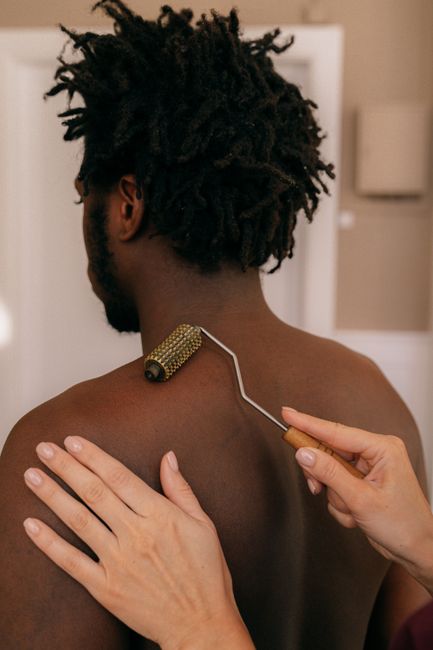
What is the Graston Technique?
The Graston Technique is a form of instrument-assisted soft-tissue mobilization, often abbreviated as IASTM. It uses smooth, contoured instruments—typically made of stainless steel—to assess and treat areas of muscle, tendon, fascia, and scar tissue.
The instruments are not sharp and should not cut the skin. Instead, a trained clinician moves them over lubricated skin with controlled pressure. The goal is to identify areas that feel restricted or sensitive and combine hands-on treatment with movement, stretching, strengthening, or other rehabilitation strategies.
Although the name “Graston Technique” refers to a specific branded approach, similar instrument-assisted methods are also used in chiropractic, physical therapy, athletic training, and rehabilitation settings.
How does it work?
The technique is intended to influence soft-tissue mobility and pain sensitivity. The instrument gives the clinician additional tactile feedback and mechanical leverage compared with using the hands alone.
During treatment, the clinician may use several strokes or directions over a targeted area. The treatment is commonly directed at:
- Muscle tightness
- Tendon irritation or reduced tendon mobility
- Scar tissue after an injury or surgery
- Fascial restrictions
- Limited range of motion
- Persistent soft-tissue discomfort after a sprain or strain
It is sometimes described as “breaking up scar tissue,” but that phrase can be misleading. Scar tissue is not simply scraped away. A more accurate explanation is that controlled pressure may affect how the tissue moves, how the nervous system responds to touch, and how a person tolerates movement. The exact biological effects remain an area of ongoing research.
What conditions may it be used for?
Instrument-assisted treatment may be considered as one part of care for certain musculoskeletal problems. Examples include:
- Tennis elbow or other elbow tendon pain
- Achilles tendon or calf-related problems
- Plantar fascia and foot discomfort
- Shoulder or upper-back soft-tissue restrictions
- Knee pain associated with limited mobility
- Muscle strains after the early inflammatory stage has passed
- Reduced movement around a healed surgical scar
The evidence is not equally strong for every condition. Some studies report short-term improvements in pain, flexibility, or function, while broader reviews have found that the overall research quality is mixed. Benefits may also come from the full rehabilitation plan rather than from the instrument alone.
For that reason, the technique should not be presented as a universal treatment or as a replacement for diagnosis, exercise, gradual activity, or appropriate medical care.
What happens during a session?
A typical session begins with questions about symptoms, activity, previous injuries, medications, skin health, and medical history. The area is then examined through movement and gentle touch.
The clinician may apply lotion or another skin-safe medium before using the instrument. Pressure should be adjusted to the person’s tolerance and the condition being treated. Treatment is generally directed along or across the involved tissue rather than performed randomly over the body.
Afterward, the clinician may recommend active movement, stretching, strengthening, or changes in activity. These steps matter because soft-tissue treatment alone does not restore strength, coordination, or endurance.
Some people notice temporary redness, tenderness, or mild bruising. These effects should be discussed before treatment and should not be assumed to indicate that the technique “worked.” Significant pain, swelling, numbness, or worsening symptoms deserve prompt reassessment.
Is it supposed to hurt or leave marks?
Mild discomfort can occur, but treatment should not be excessively painful. A person should be able to communicate clearly and ask for lighter pressure or a pause.
Temporary skin discoloration may occur, especially when the tissue is sensitive or the pressure is too aggressive. Bruising is not a required outcome and is not a reliable measure of effectiveness. Heavy pressure can irritate tissue and may be inappropriate during an active injury.
This is particularly relevant for people trying to return to seasonal activities. In Aurora, NY, changes in weather and outdoor routines can lead residents to move suddenly from winter inactivity into gardening, walking, cycling, home maintenance, or recreational sports. A gradual increase in activity is usually more useful than relying on a forceful soft-tissue procedure after pain appears.
Who should avoid it or use caution?
Instrument-assisted soft-tissue treatment is not appropriate over every painful area. It should generally be avoided over open wounds, active skin infections, unexplained rashes, blisters, burns, unstable fractures, or areas of suspected blood-clot-related inflammation.
Extra caution may be needed with:
- Blood-thinning medication or bleeding disorders
- Reduced sensation or numbness
- Significant circulation problems
- Diabetes or delayed wound healing
- Active inflammatory skin conditions
- Recent surgery
- Healing fractures or stress injuries
- Cancer or unexplained masses
- Severe sensitivity to touch
- Pregnancy, particularly when the treatment area or medical history creates additional concerns
A person should disclose medications, including anticoagulants and certain antibiotics, before treatment. The clinician also needs to know about surgical hardware, implanted devices, allergies, and recent injuries. Treatment should not be applied directly over arteries, veins, nerves, prominent bones, or an area that has not been adequately evaluated.
How is it different from massage or chiropractic adjustment?
Massage primarily uses the hands to apply pressure and influence muscle tone, comfort, and relaxation. Instrument-assisted treatment uses a tool to supplement hand contact and may focus more specifically on a tendon, scar, or restricted soft-tissue region.
A chiropractic adjustment is a separate intervention involving a joint or spinal segment and is not the same as Graston treatment. The two may be used in the same broader care plan, but one does not automatically require the other.
The most useful comparison is not which technique sounds strongest. It is whether the selected method fits the diagnosis, the stage of healing, the person’s goals, and the risks involved.
Can it replace exercise or medical evaluation?
No. Instrument-assisted treatment should generally be viewed as an adjunct rather than a complete treatment plan.
Exercise is often needed to rebuild strength, load tolerance, balance, and movement confidence. For tendon problems, progressive loading may be especially important. For post-surgical limitations, scar mobility may matter, but healing restrictions and surgical instructions take priority.
Pain that follows a major injury, is accompanied by weakness or loss of sensation, causes significant swelling or deformity, or does not improve with reasonable self-care may require medical evaluation. Sudden chest pain, shortness of breath, severe calf swelling, or other urgent symptoms should not be treated with soft-tissue techniques.
What should Aurora residents ask before treatment?
Useful questions include:
- What specific tissue or movement problem is being treated?
- Is instrument-assisted treatment necessary, or are other options reasonable?
- What sensations are expected during and after treatment?
- How will progress be measured?
- What exercises or activity changes should follow?
- Are any medications or medical conditions a concern?
- What symptoms would mean treatment should stop?
A clear explanation, informed consent, appropriate hygiene, and a plan for follow-up are basic parts of responsible care. The technique may be helpful for selected soft-tissue problems, but its value depends on careful assessment and how well it fits the broader rehabilitation plan.
