
 See Our Latest Article on HelloNation

What Causes Discomfort During Daily Commutes?
Frequent travel between home and work can strain both the back and neck, especially with long periods of sitting or repetitive vehicle use. Aurora, NY residents experience distinct commuting patterns, with some driving on rural roads, others biking or walking in a hilly region, and many facing winter weather that impacts vehicle operation and posture. These factors—combined with prolonged seating and limited movement—often lead to muscle stiffness or joint pain.
Key contributors include:
- Unadjusted car seats
- Poor posture on buses or in carpools
- Carrying heavy workbags unevenly
- Minimal breaks for movement on longer drives
How Should Car Seats Be Adjusted for Comfort and Safety?
A seat that supports natural posture is critical. For anyone driving in or around the city, position matters as much as seat comfort.
Start with these basics:
- Sit with hips and lower back against the seatback.
- Adjust the seat so knees are slightly lower than hips.
- Recline the seatback just enough for support—ideal angle is usually 100–110 degrees.
- Headrests should be level with the top of your head and about two inches away.
- Bring the steering wheel close enough so your arms are slightly bent, avoiding overreach.
- Avoid leaving bulky items in rear pants pockets, as these tilt the pelvis and strain the lower back.
Frequent drivers might also consider temporarily rolling up a towel or using a small cushion for lumbar support, especially during long commutes or winter when roads are rougher. Take a moment each week to ensure your car seat settings fit seasonal outerwear or changes in footwear, as these can affect posture.
What’s the Best Way to Carry Bags or Backpacks?
Carrying a single heavy workbag on one shoulder is a common habit, but it can quickly result in muscle fatigue or pain. Aurora’s climate, jackets, and sidewalks can make bag-carrying awkward, compounding the risk.
For less strain:
- Choose backpacks with padded, adjustable straps—wear both straps whenever possible.
- Heavy items should rest close to the middle of your back, not dangling low.
- Keep only essential items in your bag to minimize weight.
- When carrying tote bags or messenger bags, switch sides regularly.
When entering or exiting vehicles, bend at the knees—not at the waist—to protect the spine, especially when hauling supplies in icy or slushy weather.
Can Posture Really Make Commuting Pain-Free?
Good posture is a strong defense against aches, whether you’re behind the wheel or seated on a local bus.
Focus on:
- Sitting with shoulders relaxed—not hunched forward.
- Keeping feet flat on the floor or firmly braced, never crossed for long periods.
- Adjusting seat height so your eyes are level with the road for drivers, or with windows for public transit riders.
- Relaxing your grip on the steering wheel or armrests; tense hands often lead to tense shoulders and neck.
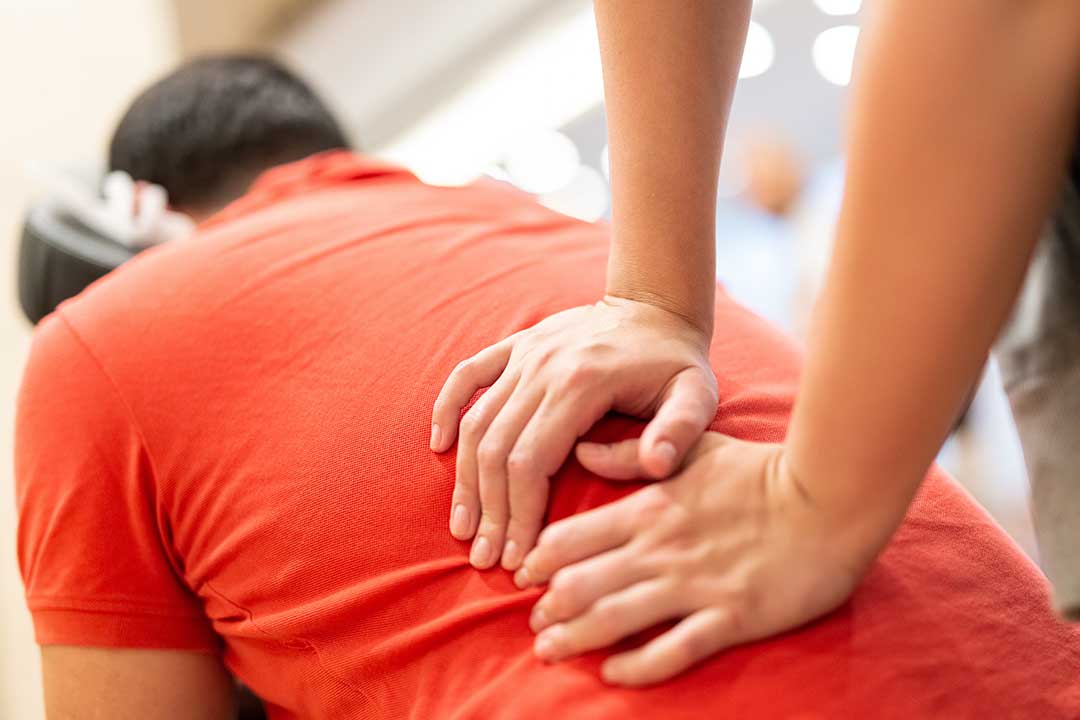
Even a few mindful minutes at the start and end of each commute set the tone for your day and help undo tension that builds up over time.
How Can Movement Breaks Help During Longer Drives?
Aurora’s rural setting means some residents face lengthy or uninterrupted drives. Scheduling breaks helps prevent stiffness and encourages healthy circulation.
Practical strategies include:
- If safe, pause every 30–60 minutes to stand, stretch, or gently walk.
- For walks at busy rest stops, focus on rolling shoulders and swinging arms.
- Stretching neck side-to-side and gently twisting the torso can be done in a parked car during cold months.
Local household routines can help, too. If parking some distance from your destination is possible, use the extra walk to stretch out muscles before sitting at a desk or workstation.
Are There Seasonal Factors to Consider for Commuters?
Winter in the region often brings icy conditions and extra clothing, both of which affect posture and movement. Larger winter boots can change leg positioning, while bulky jackets may alter how you sit.
Tips for adapting:
- Recheck car seat alignment when wearing heavier clothing.
- Allow extra time to remove gloves or outer layers before driving, reducing awkward movements.
- Watch footing when stepping out of vehicles—slippery ground makes heavy bags riskier.
During summer, remember that extended car travel in hot, humid weather can boost fatigue, so stay hydrated and ventilate your vehicle for comfort.
What Misconceptions About Commuting and Musculoskeletal Pain Should Locals Know?
A few myths persist:
- Only those with long commutes get pain—actually, even short drives can cause stiffness if posture is poor.
- Seat cushions or gadgets alone can fix discomfort—they help, but only when paired with mindful movement and regular seat adjustments.
- Pain always signals a “serious” problem—in reality, minor aches often improve with simple adjustments, but should be monitored if persistent.
Remaining attentive to posture, seat adjustments, and daily movement can reduce discomfort for most area commuters without requiring significant lifestyle changes.
