
 See Our Latest Article on HelloNation
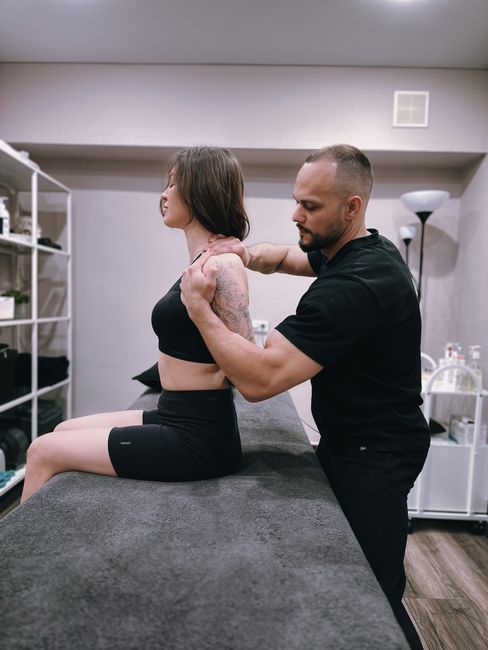
What should you do before a chiropractic appointment?
The most useful preparation is simple: know why you are seeking care, bring relevant health information, and wear clothing that allows comfortable movement. A first visit usually includes questions about symptoms, a health history, and an assessment of movement, posture, or other physical findings before any treatment is considered.
Chiropractic care may involve concerns such as back discomfort, neck stiffness, joint pain, limited mobility, or muscle tension. Preparation does not require special exercises, fasting, or major changes to your routine.
What information should you bring?
Bring a list of current medications, supplements, and relevant medical conditions. This helps the clinician consider factors that may affect examination or treatment.
Useful information includes:
- The main symptom and when it began
- Whether the problem started after a fall, collision, lifting incident, sports activity, or repetitive task
- Activities that make symptoms better or worse
- Any numbness, tingling, weakness, dizziness, or changes in balance
- Previous injuries, surgeries, or imaging studies
- Diagnosed conditions such as osteoporosis, arthritis, inflammatory disease, or circulation problems
- Names of medications, including blood thinners, muscle relaxants, and over-the-counter pain medicines
If medical records or imaging reports are available, bring them or confirm how they can be shared. The actual images may be less useful without the accompanying report, and not every complaint requires new imaging.
How should you describe your symptoms?
Clear details are more helpful than trying to use medical terminology. Be prepared to explain where the discomfort is located, how it feels, and how it affects daily activities.
For example, “a sharp pain on the right side of the lower back that increases when standing from a chair” gives more useful information than simply saying “my back hurts.”
Consider these questions:
- Is the discomfort sharp, dull, aching, burning, or electric?
- Is it constant or does it come and go?
- Does it travel into an arm, leg, shoulder, or hip?
- Is it worse in the morning, after driving, during work, or at night?
- Has it changed over time?
- Does it affect sleep, walking, lifting, household chores, or exercise?
Keeping brief notes for a day or two can help, but a symptom diary is not necessary. Do not delay care simply to gather more information.
What should you wear?
Wear comfortable clothing that permits movement and allows the area of concern to be examined. Loose or flexible clothing is usually practical, especially if the visit includes movement testing.
For a back, hip, or leg complaint, athletic pants or other flexible clothing may be easier to assess than restrictive jeans. For a shoulder or neck concern, a shirt that allows the upper body to move freely can be helpful. Avoid arriving in clothing that makes it difficult to observe posture or joint motion.
In Aurora, seasonal conditions can influence what people wear to an appointment. Winter layers, heavy coats, and boots may need to be removed during an examination, while summer clothing should still provide enough coverage for comfortable movement. Everyday clothing is generally appropriate; specialized workout clothing is not required.
Should you eat or drink beforehand?
Most chiropractic visits do not require fasting. Eating a normal, moderate meal and drinking water beforehand is usually reasonable, particularly if traveling, waiting, or completing other errands around the visit.
Avoid arriving overly full if lying down, bending, or moving is likely to make you uncomfortable. It may also be sensible to limit alcohol beforehand because it can affect alertness, coordination, and judgment.
People with diabetes or other conditions that require regular meals should follow their usual medical instructions rather than skipping food for an appointment.
Should you exercise before the visit?
Do not perform unusually strenuous exercise or aggressive stretching immediately before an evaluation. A normal walk or routine daily activity is generally different from a demanding workout.
Arriving after heavy lifting, intense yard work, or vigorous exercise may temporarily change muscle tension and pain levels. That does not make the visit useless, but it can make it harder to tell what is typical for you. If an activity clearly worsens symptoms, stop and describe what happened.
Residents managing seasonal chores, snow removal, gardening, home maintenance, or long periods of driving may want to mention those activities. Repeated bending, shoveling, lifting, and prolonged sitting can all provide useful context.
What happens during a first visit?
A first visit commonly begins with a discussion of symptoms and health history. The physical assessment may include observing posture, checking walking patterns, testing active movement, and examining strength, sensation, or reflexes when appropriate.
Treatment should not be assumed before the assessment is complete. A careful evaluation may identify a problem that is suitable for conservative care, or it may suggest that another type of medical evaluation is needed.
Patients can ask what each examination or treatment involves before agreeing to it. Reasonable questions include:
- What is the purpose of this part of the examination?
- What might the treatment feel like?
- Are there alternatives?
- What temporary effects might occur afterward?
- What symptoms would require follow-up or urgent medical attention?
Consent should be clear and ongoing. A person may pause or decline a technique that feels uncomfortable or is not understood.
When should chiropractic care be delayed or preceded by medical evaluation?
Certain symptoms need prompt medical assessment rather than routine musculoskeletal care. Seek urgent medical attention for severe or rapidly worsening pain, new loss of bladder or bowel control, numbness in the groin area, major weakness, fainting, chest pain, severe shortness of breath, or symptoms following a significant injury.
Fever, unexplained weight loss, a history of cancer, unusual night pain, or a weakened immune system should also be disclosed. These details do not automatically rule out chiropractic care, but they may change the safest next step.
A recent fall or collision deserves special attention, particularly for older adults or anyone with possible bone weakness. Do not minimize an injury simply because the pain appeared gradually.
What should you do after the visit?
Ask about expected soreness, activity limits, and warning signs before leaving. Mild, short-lived soreness can occur after some forms of hands-on care, but severe, progressive, or unusual symptoms should not be ignored.
Follow only the activity guidance that was clearly explained. Avoid testing a painful area with heavy lifting or intense exercise immediately afterward. Keep track of whether movement, sleep, work tasks, or household activities change over the next day or two.
Preparing questions, describing symptoms honestly, and sharing relevant health information make the visit more useful. The goal is not to arrive with a diagnosis; it is to provide enough detail for a careful, safe assessment.
