
 See Our Latest Article on HelloNation
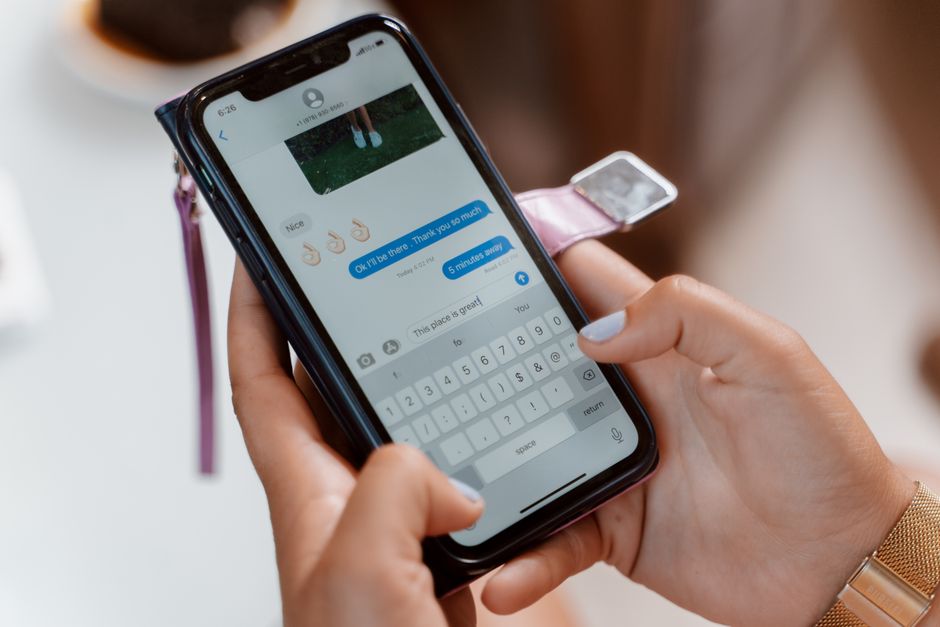
Texting thumb is a common name for pain or irritation affecting the thumb and thumb-side wrist after repeated phone use. The discomfort may involve the tendons that move the thumb, the thumb joint, or nearby muscles and nerves. In some cases, the pattern resembles de Quervain’s tenosynovitis, but not every case of thumb pain has the same cause.
For residents of Aurora, NY, the same habits that affect people elsewhere can be amplified by winter routines, extended indoor screen use, remote work, gaming, and frequent phone use while commuting or managing household tasks. Early changes in how the hand is used can often reduce irritation before it becomes persistent.
What does texting thumb feel like?
Texting thumb commonly causes soreness, aching, stiffness, or tenderness at the base of the thumb or along the thumb side of the wrist. Pain may become more noticeable when gripping, lifting, opening a jar, turning a key, or scrolling with the thumb.
Other symptoms can include:
- Mild swelling near the thumb-side wrist
- A catching, clicking, or tight sensation during thumb movement
- Pain after prolonged texting rather than during the first few minutes
- Reduced grip strength
- Discomfort when holding a phone with one hand
- Pain that extends a short distance into the forearm
Numbness, tingling, burning, or weakness may suggest nerve irritation rather than a simple tendon overuse problem. Sudden swelling, bruising, deformity, or severe pain after a fall should be treated as a possible injury instead of assumed to be texting thumb.
Why can phone use irritate the thumb?
The thumb performs many small, repeated movements during texting, scrolling, gaming, and tapping. These actions become more stressful when the wrist is bent, the phone is held tightly, or the same thumb works continuously without rest.
The issue is not always the number of messages sent. Total hand load also includes:
- Carrying groceries or firewood while the thumb is already sore
- Using a computer mouse or trackpad
- Writing, knitting, crafting, or playing an instrument
- Lifting children or pets with the wrist bent
- Shoveling snow or gripping tools during colder months
- Holding a phone in one hand for long reading sessions
Cold conditions may also make hands feel stiffer and less comfortable. Wearing warm gloves outdoors and avoiding a forceful grip can help reduce unnecessary strain, although cold exposure itself does not explain every case of thumb pain.
How should phone use be modified?
The most useful first step is to reduce the movements that reproduce pain without completely immobilizing the hand. A short break may help, but returning immediately to the same pattern can cause symptoms to return.
Try these adjustments:
- Hold the phone with both hands when possible.
- Use the index finger for scrolling or tapping instead of the painful thumb.
- Use voice-to-text for longer messages.
- Keep the wrist in a neutral, relaxed position rather than bent toward the thumb.
- Support the phone on a table, pillow, or stand during extended reading.
- Increase text size so less scrolling is needed.
- Take brief breaks every 10 to 15 minutes during heavy phone use.
- Avoid squeezing the phone tightly, especially while walking or standing.
- Alternate hands only if the other hand can do so comfortably.
The goal is to lower repetition and force. Simply switching the phone to the opposite hand while repeating the same painful movements may shift the problem rather than solve it.
Does rest or ice help?
Relative rest can reduce irritation. This means continuing comfortable daily activities while temporarily reducing movements that cause sharp or steadily increasing pain. Complete inactivity is usually unnecessary unless movement is severely painful or a clinician has advised otherwise.
A cool pack wrapped in a thin cloth may be applied for about 10 to 15 minutes after aggravating activity. Do not place ice directly on the skin. Some people prefer gentle warmth for stiffness, particularly before light movement. Heat should not be used over significant swelling or immediately after an acute injury.
Over-the-counter pain medicines may help some adults, but they are not appropriate for everyone. People with a history of stomach ulcers, kidney disease, blood-thinning medication use, certain heart conditions, pregnancy, or medication allergies should ask a pharmacist or medical clinician before using anti-inflammatory medicines.
Are thumb braces useful?
A brace can reduce painful thumb and wrist motion, particularly during activities or sleep. A supportive thumb-spica style brace generally limits movement of the thumb and wrist while leaving the fingers available for ordinary tasks.
A brace should not be painfully tight. Remove it periodically to check for skin irritation, color changes, numbness, or increased swelling. Wearing a brace continuously for long periods without guidance may contribute to stiffness and weakness. It is usually more useful when paired with reduced aggravating activity rather than used as permission to continue painful texting.
Should stretching and exercises be started right away?
Gentle movement is often reasonable when it does not increase pain. Slowly opening and closing the hand, moving the thumb through a comfortable range, and relaxing the grip can help prevent stiffness.
Avoid forceful thumb stretches, repeated gripping exercises, or strengthening through sharp pain during an active flare. Once everyday movement is comfortable, gradual strengthening may be appropriate, but the correct exercises depend on whether the problem involves a tendon, joint, ligament, or nerve.
A chiropractor, physical therapist, occupational therapist, or medical clinician may assess hand and wrist mechanics, but persistent or unclear symptoms should not be self-diagnosed from phone use alone. Pain at the base of the thumb can also be related to arthritis, a sprain, nerve compression, or another condition requiring a different approach.
When should thumb pain be medically evaluated?
Seek prompt medical evaluation for severe pain, visible deformity, major swelling, loss of movement, spreading redness, fever, or symptoms that began after a fall or direct blow. Numbness, a cold or pale hand, significant weakness, or inability to grip are also warning signs.
An evaluation is appropriate when symptoms:
- Continue despite several days of reduced aggravating activity
- Keep returning whenever normal phone use resumes
- Interfere with sleep, work, driving, or household tasks
- Become progressively worse
- Include clicking, locking, or persistent swelling
A clinician may examine thumb motion, grip, sensation, and the wrist. Imaging is not always needed, but it may be considered when trauma, arthritis, or another structural problem is suspected.
How can texting thumb be prevented?
Prevention depends more on changing the pattern of use than on avoiding phones completely. Keep frequently used devices easy to reach, use both hands for longer tasks, and avoid holding a heavy phone with the thumb stretched around the edge.
During indoor winter months, vary screen-based activities with movement that does not require repetitive thumb use. At home, place phones at a comfortable height instead of keeping the wrist bent for long periods. Short, regular pauses are more practical than waiting until the hand is already painful.
The main warning sign is a pattern that becomes more painful each day. Reducing repetition early, keeping the wrist relaxed, and responding to persistent symptoms can help protect normal hand function.
