
 See Our Latest Article on HelloNation

Can Chiropractic Methods Support Arthritis Management?
Chiropractic care can often help manage discomfort and stiffness that come with arthritis, particularly osteoarthritis, by improving joint mobility, reducing muscle tension, and supporting overall wellness. While arthritis cannot be cured, thoughtful self-care combined with evidence-based chiropractic techniques may improve quality of life for many individuals navigating daily aches and stiffness.
Which Chiropractic Techniques Are Commonly Used for Arthritis?
Most chiropractors use gentle, tailored approaches for individuals with arthritis. High-force adjustments are generally avoided when joints are inflamed or severely degenerated. Instead, practitioners may use:
- Low-force mobilization: Slow, controlled movements to enhance comfort and mobility
- Soft tissue therapies: Gentle muscle work to reduce tension and pain around affected joints
- Stretching and guided exercise: Simple routines supporting flexibility and stability
These methods are adjusted to individual needs, especially important when supporting older adults or those with advanced joint degeneration.
Are Chiropractic Adjustments Safe for Arthritis?
For many, chiropractic care is considered safe when adapted for the specifics of arthritis. There are, however, important safety points:
- Active joint inflammation or acute flare-ups often mean that adjustments should be postponed or modified.
- Conditions such as severe osteoporosis or spinal instability may require alternative care plans.
- Open communication with all healthcare providers can help ensure coordination for those managing arthritis alongside other chronic health issues.
Local medical professionals often collaborate with chiropractic providers to tailor plans for area residents living with seasonal mobility changes or increased stiffness during colder months.
What At-Home Practices Help Chiropractic Benefits Last Longer?
In Aurora, daily routines are shaped by the seasonal swings of upstate New York—cold winters, humid summers, and variable spring and fall weather. These shifts can impact arthritis symptoms. Certain habits can help maximize any mobility restored through chiropractic visits:
- Maintain regular gentle movement, like walking, swimming, or low-impact stretching—even indoors during colder weather.
- Use warm compresses or showers to relax stiff joints on chilly mornings.
- Prioritize ergonomic home setups. For example, supportive chairs and cushioned mats in kitchens or workshops reduce unnecessary strain on hips, knees, and hands.
- Practice any at-home stretches or exercises recommended by healthcare professionals, keeping routines flexible when symptoms worsen.
Local indoor walking spaces—such as community centers—can be valuable during icy or damp conditions.
How Does Chiropractic Care Complement Other Arthritis Treatments?
Chiropractic methods are often used alongside conventional medical treatments for arthritis. Exercise, physical therapy, medication, or dietary adjustments are commonly part of a broader approach. Chiropractors sometimes work in collaboration with local primary care providers to align mobility work with medical advice.
Chiropractic care does not replace medical treatment for inflammatory arthritis, such as rheumatoid arthritis, but may help alleviate secondary muscular discomfort and support gentle joint movement.
What Should Local Residents Know About Weather’s Impact?
In communities like Aurora, shifts in barometric pressure, temperature, and humidity can aggravate joint discomfort or swelling for those with arthritis. Area households may see symptoms come and go with seasonal changes:
- Cold and damp weather can increase morning stiffness and discomfort, making joint-friendly routines important through the fall and winter.
- Icy conditions or slippery sidewalks may limit safe outdoor activity. Preparing an accessible indoor exercise space—such as a cleared room for stretching—can help keep joints mobile.
- Spring and summer humidity may cause swelling in feet, knees, or hands. Lightweight clothing and supportive footwear can reduce friction and strain.
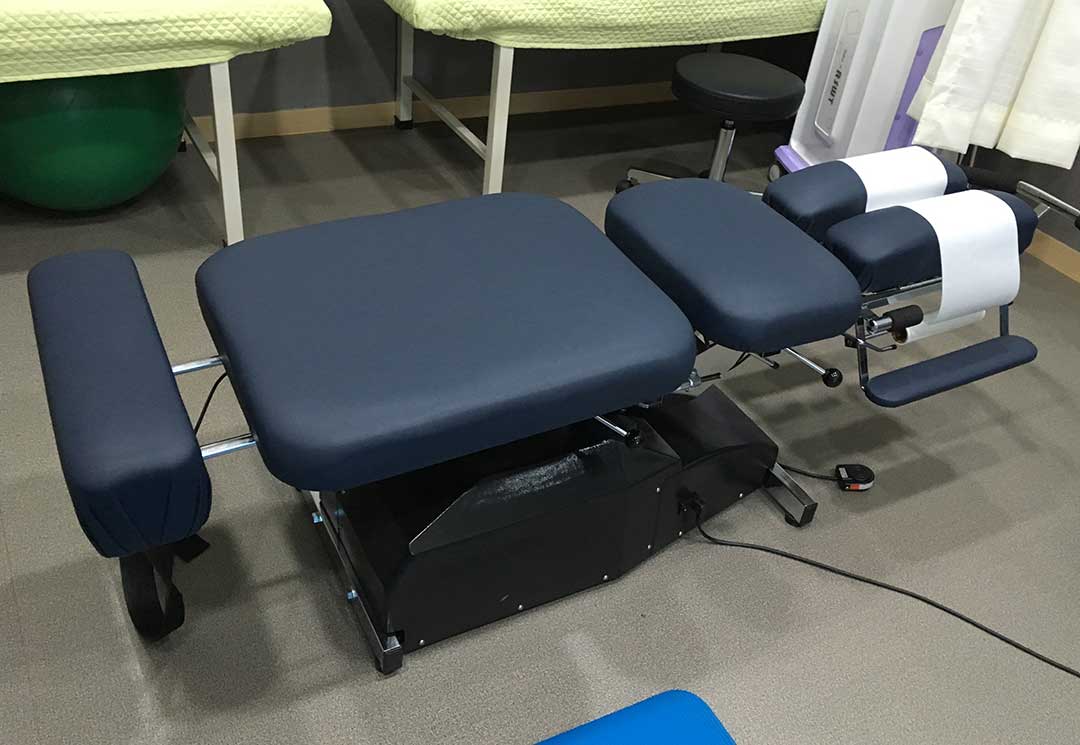
Awareness and seasonal adjustments to routines support better symptom management throughout the year.
Are There Misconceptions About Chiropractic Care for Arthritis?
Common misunderstandings sometimes prevent residents from considering chiropractic options:
- Some believe chiropractic care always involves forceful joint “cracking.” In fact, gentle methods are commonly chosen for arthritic joints.
- There’s a misconception that adjustments worsen joint degeneration; however, when performed carefully, gentle mobilization can support comfortable movement without accelerating damage.
- It's also assumed that chiropractic care is only helpful for back and neck pain. Careful techniques can benefit various joints, including knees, hips, and shoulders commonly affected by arthritis.
Understanding these points may help local residents make informed decisions in coordination with their healthcare team.
When Should Residents Seek Medical Guidance First?
Certain symptoms mean residents should consult a medical provider before pursuing chiropractic care, including:
- Sudden and severe swelling in a joint
- Unexplained joint redness, heat, or deformity
- Fever or systemic symptoms
- Recent trauma or inability to bear weight
Such issues sometimes indicate infection, gout, or other conditions needing urgent care that extends beyond chiropractic expertise.
Understanding these distinctions helps area adults and older residents access the most appropriate support for their arthritis.
