
 See Our Latest Article on HelloNation
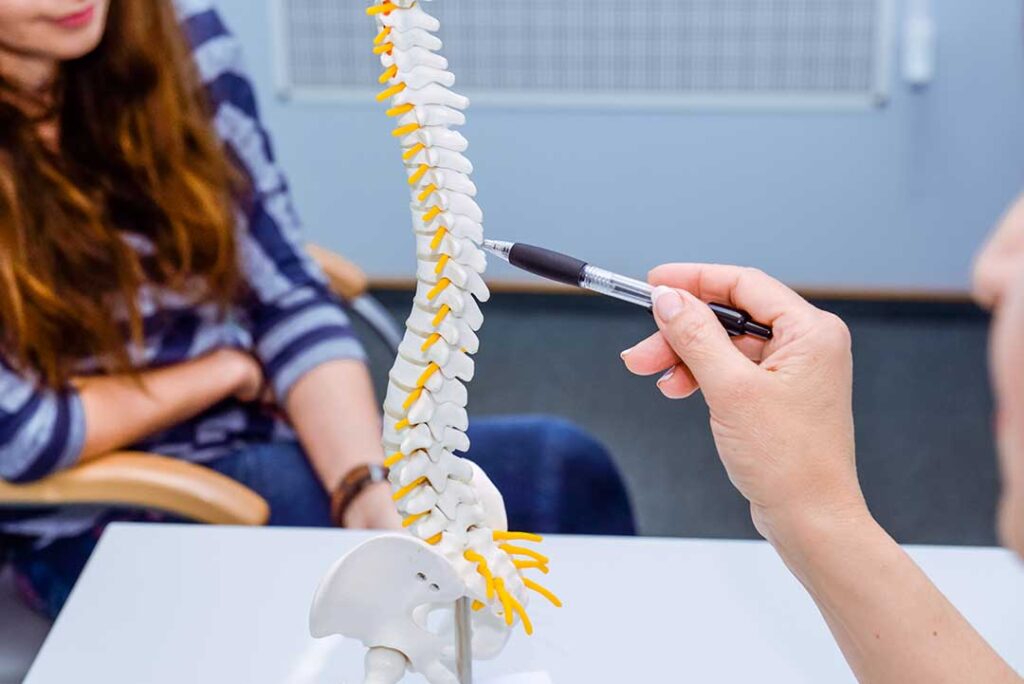
Mobility exercises are gentle movements that help the joints move comfortably through a useful range of motion. Unlike strenuous workouts, they can often be done in a small space with little or no equipment. For residents of Aurora, NY, a short routine may be especially helpful after long periods indoors during colder weather, extended driving, desk work, gardening, or household projects.
Mobility work is not meant to force a joint farther than it naturally wants to go. The goal is controlled, comfortable movement—not intense stretching or pain.
What can simple mobility exercises help with?
Simple mobility exercises may reduce the feeling of stiffness and make everyday movements easier. They can support activities such as getting out of a chair, reaching overhead, turning to look behind you, walking on uneven ground, or bending to pick something up.
Mobility is related to, but not identical to, flexibility. Flexibility describes how much a muscle can lengthen. Mobility also involves joint movement, muscle control, balance, coordination, and confidence.
Regular stretching can improve flexibility and joint range of motion, although it does not guarantee protection from every injury or eliminate muscle soreness after exercise. ([mayoclinic.org](https://www.mayoclinic.org/healthy-lifestyle/fitness/in-depth/stretching/art-20546848?utm_source=openai))
How should someone prepare before moving?
Start with two to five minutes of easy movement. Walk around the room, gently swing the arms, or march in place while holding a counter for support. This helps the body transition from being still to moving.
A useful routine should feel gradual:
- Move slowly rather than bouncing.
- Breathe normally instead of holding the breath.
- Stay within a comfortable range.
- Stop or reduce the motion if pain, numbness, tingling, dizziness, or unusual weakness develops.
- Use a sturdy chair, wall, or countertop when balance is uncertain.
For longer static stretches, a light warmup of about five to ten minutes is generally recommended. Stretches should create mild tension rather than pain. ([mayoclinic.org](https://www.mayoclinic.org/healthy-lifestyle/fitness/in-depth/stretching/art-20546848?utm_source=openai))
Which at-home exercises are a reasonable place to start?
The following sequence can be completed in about ten minutes. Perform five to ten slow repetitions unless another amount is listed. Work both sides when an exercise is one-sided.
Neck turns
Sit or stand tall with the shoulders relaxed. Slowly turn the head to the right until a comfortable stopping point, return to center, and repeat to the left.
This exercise should feel easy and controlled. Avoid dropping the head backward or forcing the chin toward the shoulder.
Shoulder circles
Lift the shoulders gently toward the ears, move them backward, then down and forward in a smooth circle. Reverse the direction after several repetitions.
Shoulder circles can be useful after computer work, reading, or tasks that keep the arms in front of the body.
Wall chest opening
Stand near a wall or doorway with one forearm resting lightly against it. Turn the torso a small amount away from the supported arm until a gentle stretch is felt across the chest and front of the shoulder. Hold for 15 to 30 seconds, then switch sides.
Do not twist forcefully or continue if the movement causes sharp shoulder pain.
Seated trunk rotation
Sit toward the front of a sturdy chair with both feet on the floor. Cross the arms over the chest or place the hands on the thighs. Turn the upper body gently to one side, return to center, and repeat on the other side.
Keep the hips facing forward. The movement should come mainly from the upper back rather than from forcing the lower back.
Ankle pumps and circles
While seated, straighten one leg slightly or keep the foot on the floor. Point the toes forward, bring them back toward the shin, and repeat. Then make small ankle circles in both directions.
These movements can be convenient after sitting for a long time and before walking outdoors. During icy or uneven conditions, perform them indoors before putting on footwear and heading out.
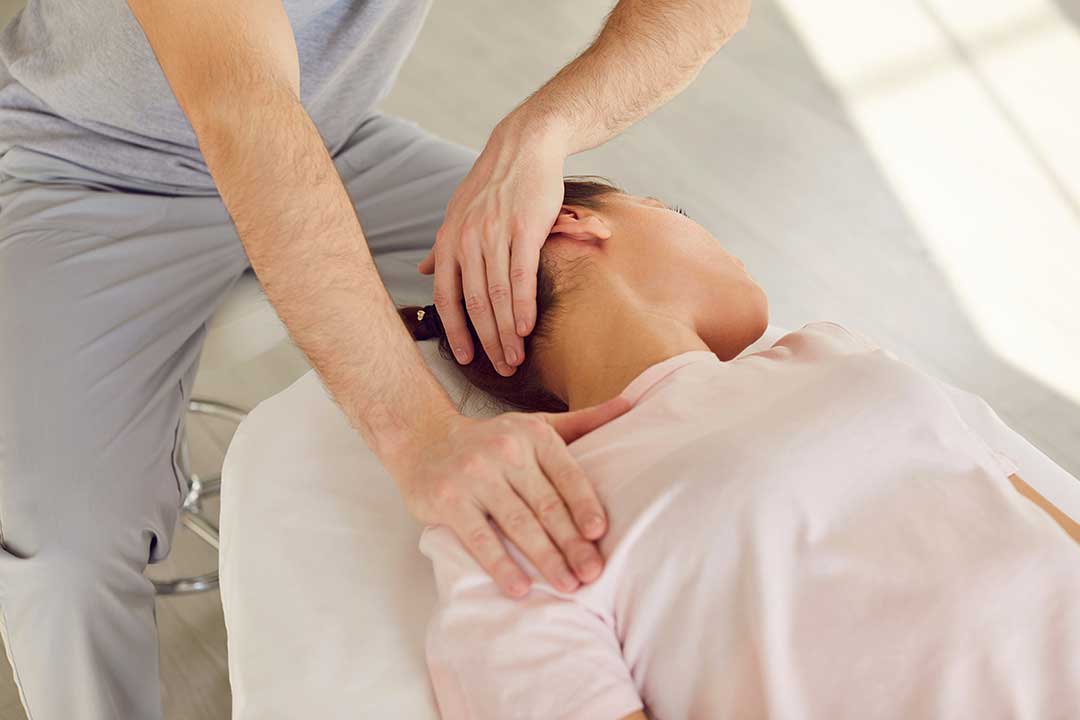
Sit-to-stand practice
Use a stable chair placed against a wall if needed. Scoot toward the front of the seat, place the feet under the knees, lean forward slightly, and stand. Slowly lower back down without dropping into the chair.
Use the arms only as much as necessary. If the knees, hips, or back become painful, reduce the number of repetitions or stop.
Supported hip movement
Hold a countertop with both hands. Keeping the torso upright, move one leg slowly backward and return it to the starting position. Repeat by moving the same leg gently out to the side, then switch legs.
This is a controlled movement, not a high leg lift. Avoid leaning the body to create extra range.
Heel raises
Stand behind a sturdy chair and hold the back lightly. Rise onto the balls of the feet, pause briefly, and lower the heels. This works the lower legs and challenges balance.
People who feel unsteady should keep both hands supported or perform the exercise seated by lifting the heels from the floor.
How often should mobility exercises be done?
A short routine can be performed most days, provided the movements remain comfortable. Five to ten minutes is often more realistic and sustainable than an occasional long session.
Static stretches may be held for about 30 seconds and repeated two to four times, while joint mobility exercises are usually performed through slow repetitions. Mayo Clinic guidance commonly recommends stretching major muscle groups at least two to three days per week, with regular practice providing more benefit than occasional intense sessions. ([mayoclinic.org](https://www.mayoclinic.org/healthy-lifestyle/fitness/in-depth/stretching/art-20546848?utm_source=openai))
Mobility exercises work best alongside ordinary movement. Short walks, light household activity, and changing position regularly can help prevent the body from becoming accustomed to prolonged sitting.
Should mobility exercises hurt?
No. Mild pulling, tension, or stiffness can be normal. Sharp pain, burning, electric-like sensations, increasing joint pain, or symptoms that continue after the exercise are reasons to stop.
A common misconception is that a deeper stretch produces a better result. Pushing aggressively can irritate a muscle, tendon, joint, or nerve. A smaller movement performed consistently is usually a safer starting point than forcing a larger range.
If a particular exercise repeatedly causes pain, leave it out rather than trying to work through it.
When should someone get individualized guidance?
Extra caution is appropriate after a recent injury, surgery, fall, or sudden change in symptoms. People with significant osteoporosis, inflammatory joint disease, balance problems, neurological symptoms, or persistent back or neck pain may need a modified routine.
Seek prompt medical attention for new weakness, loss of bladder or bowel control, severe pain after trauma, chest pain, fainting, or numbness that is spreading or worsening. A healthcare professional or physical therapist can help identify safer movements when symptoms are complex or do not improve.
For most households, a practical routine is simple: warm up gently, move each area without force, use support when needed, and repeat the comfortable movements regularly. The purpose is to make ordinary motion feel more accessible—not to test how far the body can be pushed.
